
Unlike the 2015 regular session which ended in collapse, the special session morphed into redemption for many lawmakers who returned to the scene of the crime June 1 to do some serious work and burn midnight oil.

Unlike the 2015 regular session which ended in collapse, the special session morphed into redemption for many lawmakers who returned to the scene of the crime June 1 to do some serious work and burn midnight oil.
Most Florida environmental groups this special session made a lot of noise -- you heard them -- and spent a lot of money, but in the end, came away empty-handed and bitterly unhappy.
Not The Nature Conservancy.
The Conservancy (TNC), largest private conservation landowner in the world, including more than 60,000 acres in preserves from the Keys to the Florida Panhandle, walked its own path during both legislative sessions, never putting the U.S. Sugar Corp. option on its wish list.
Around 11:15 p.m. Monday, as the deadline for getting a deal on the state budget drew closer, Senate Appropriations Chairman Tom Lee, R-Brandon, brought to order a joint House-Senate negotiating committee hammering out the final details of a spending plan.
Shortly after the meeting began, he recognized Jamie DeLoach --- the top staff member for the Senate General Government Appropriations Subcommittee --- to explain the first of several offers that would be swapped back and forth between the two sides. It was an offer on the fine print of the environmental portion of the budget.
If you're wondering why the Legislature didn't restore Florida Forever's once-upon-a-time $300 million for land purchases ... could it be because the program's managers gave lawmakers the perfect excuse?
According to figures provided by House staff, the Florida Forever program is sitting on a pile of unused money -- not just the $12.5 million it was budgeted last year, but a total $84 million.
In the bank. Eighty-four million greenbacks just hanging out.
Florida TaxWatch insisted on Tuesday that the Legislature could have done more to cut taxes this year. On Monday, the Legislature passed $400 million in tax cuts and Gov. Rick Scott signed them into law on Tuesday.
Comments are now closed.
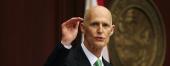
Gov. Rick Scott eagerly signed into law around $430 million in tax cuts Tuesday, including reducing cell phone and TV services taxes. Scott had pushed for $470 million in cuts at the start of the regular session in March -- and in spite of the hospital-funding pull on reserves, he nearly got what he asked for. The House and the Senate passed the cuts on Monday.
House and Senate budget negotiators struck a deal on a state spending plan Monday night moments before the stroke of midnight, pouring $301 million into projects at the last minute and closing out one of the more-raucous legislative debates in recent years.
The Florida House passed a tax cut package crafted by the Florida Senate Monday morning, aiming to save Floridians nearly $430 million in a variety of areas, ranging from cellphone taxes to yacht repairs.
Earlier in the day, the Senate also approved the tax cut package with a 34-2 vote. The Senate then sent the package over to the House where it passed with overwhelming support by a 91-2 vote.
Lawmakers agreed on hundreds of millions of dollars in environmental spending during a meeting Sunday night, but disappointed supporters of a land and water conservation amendment overwhelmingly approved by voters last fall.
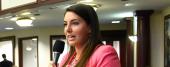
At age 23, Rep. Jennifer Sullivan is the youngest member of the Florida Legislature. But the Mount Dora Republican scored a major victory Wednesday, when Gov. Rick Scott signed her bill to require a 24-hour waiting period before women can have abortions.
And with the American Civil Liberties Union and the Center for Reproductive Rights immediately filing a legal challenge to the new abortion law (HB 633), Sullivan is sure to remain in the spotlight.